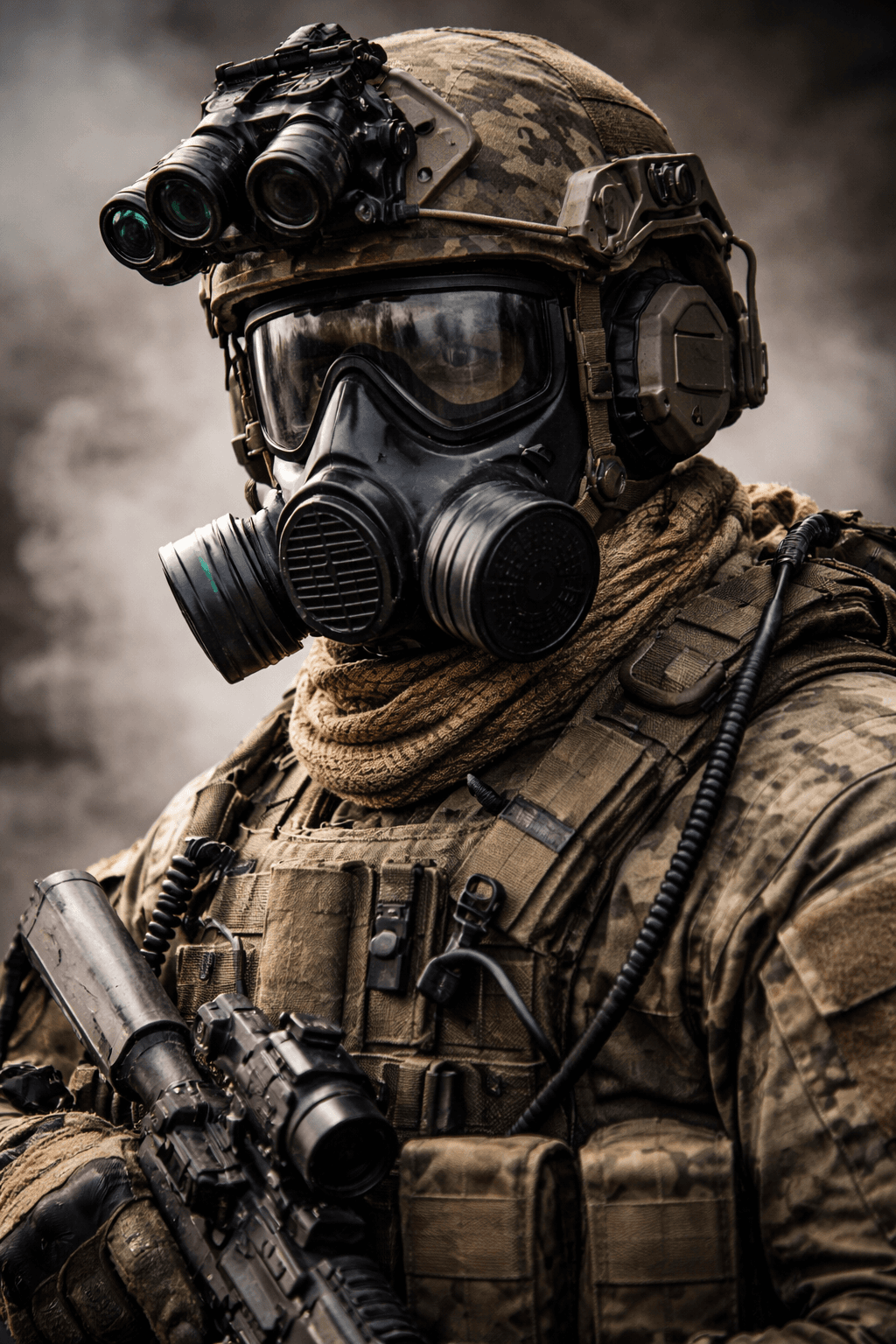
01Step 1
Operator-Level Deployment
Deployed System
Mission-ready protective equipment shown at the operator level, grounding the platform in real deployment conditions where system credibility begins.

High-performance materials for defense, filtration, medical, and operational environments where reliability, biological control, and deployment readiness are critical.
Performance must hold under real conditions.
Deployment context is part of validation.
Reliability must persist under stress.
The sequence resolves from the deployed system, to the boundary layer, to the material core where filtration performance ultimately lives.
Mission-ready protective equipment shown at the operator level, grounding the platform in real deployment conditions where system credibility begins.
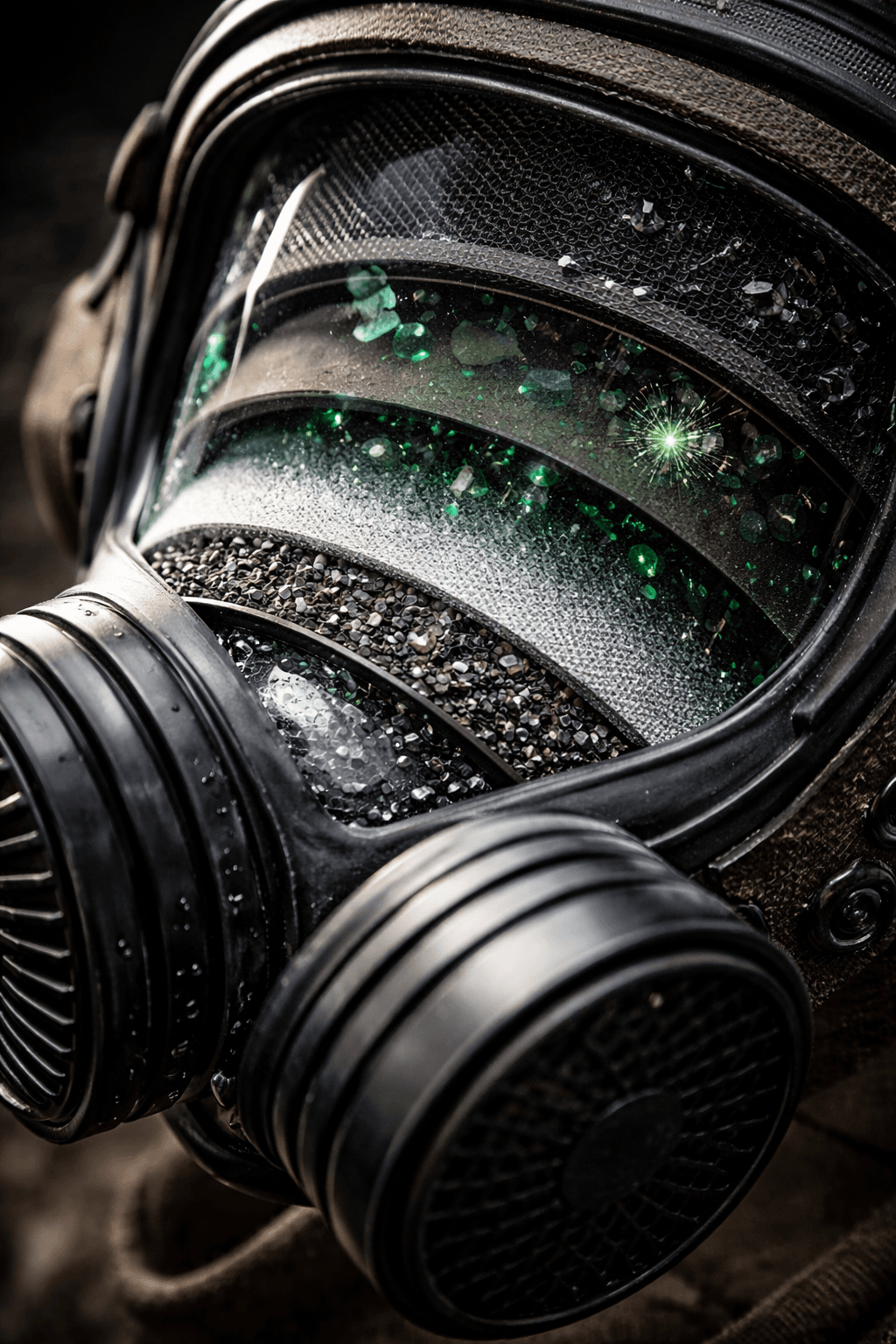
The filtration boundary is where flow, capture, and biological burden reduction become operationally meaningful under sustained use.

The progression resolves into the internal material structure itself, where consistency, density, and fiber behavior determine system performance.
The sequence follows real intervention, moving from field conditions, to the biological boundary, and ultimately to the fiber architecture where wound-contact performance is determined.
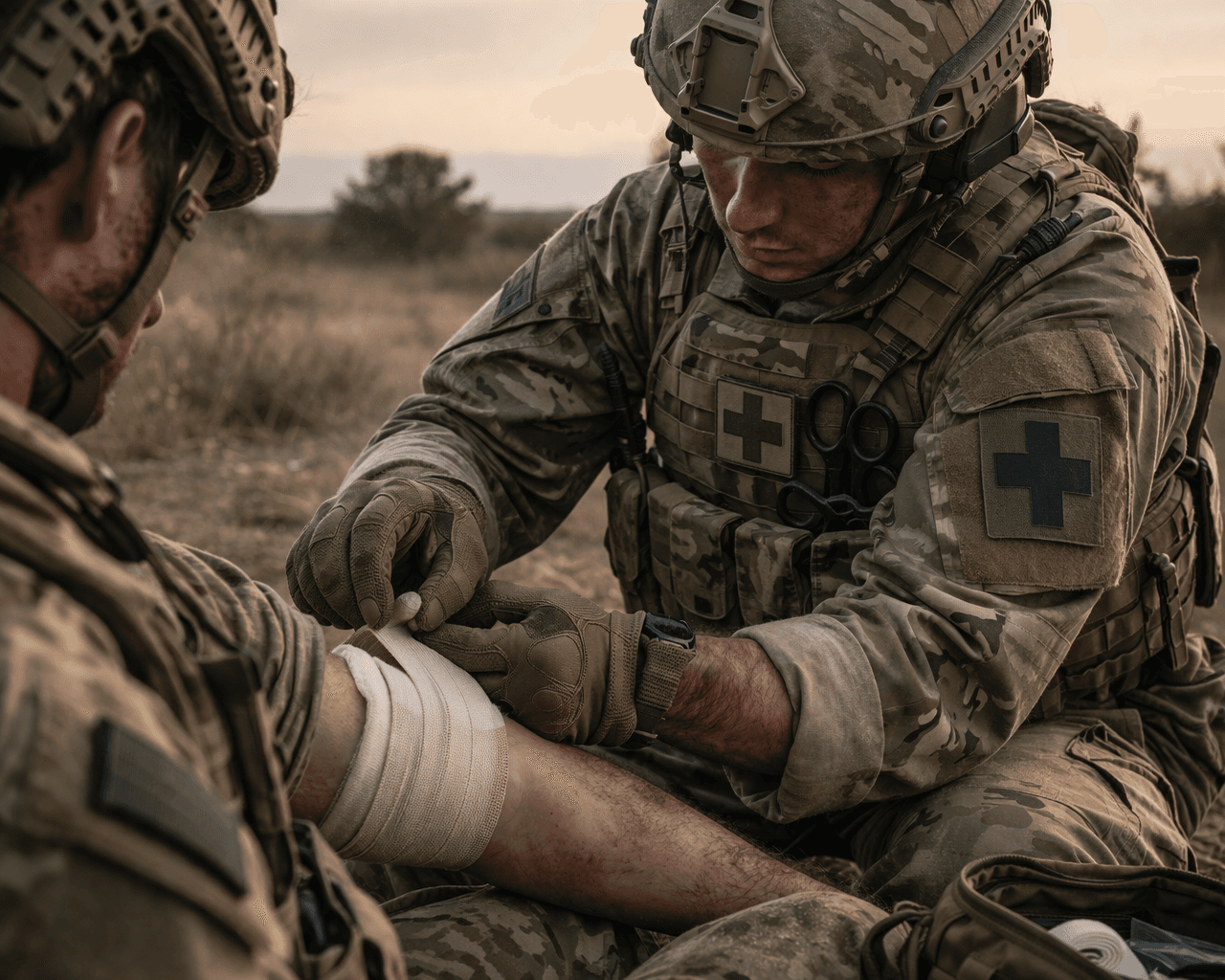
Initial intervention occurs under variable field conditions where cleanliness, stability, and material reliability directly influence outcome.
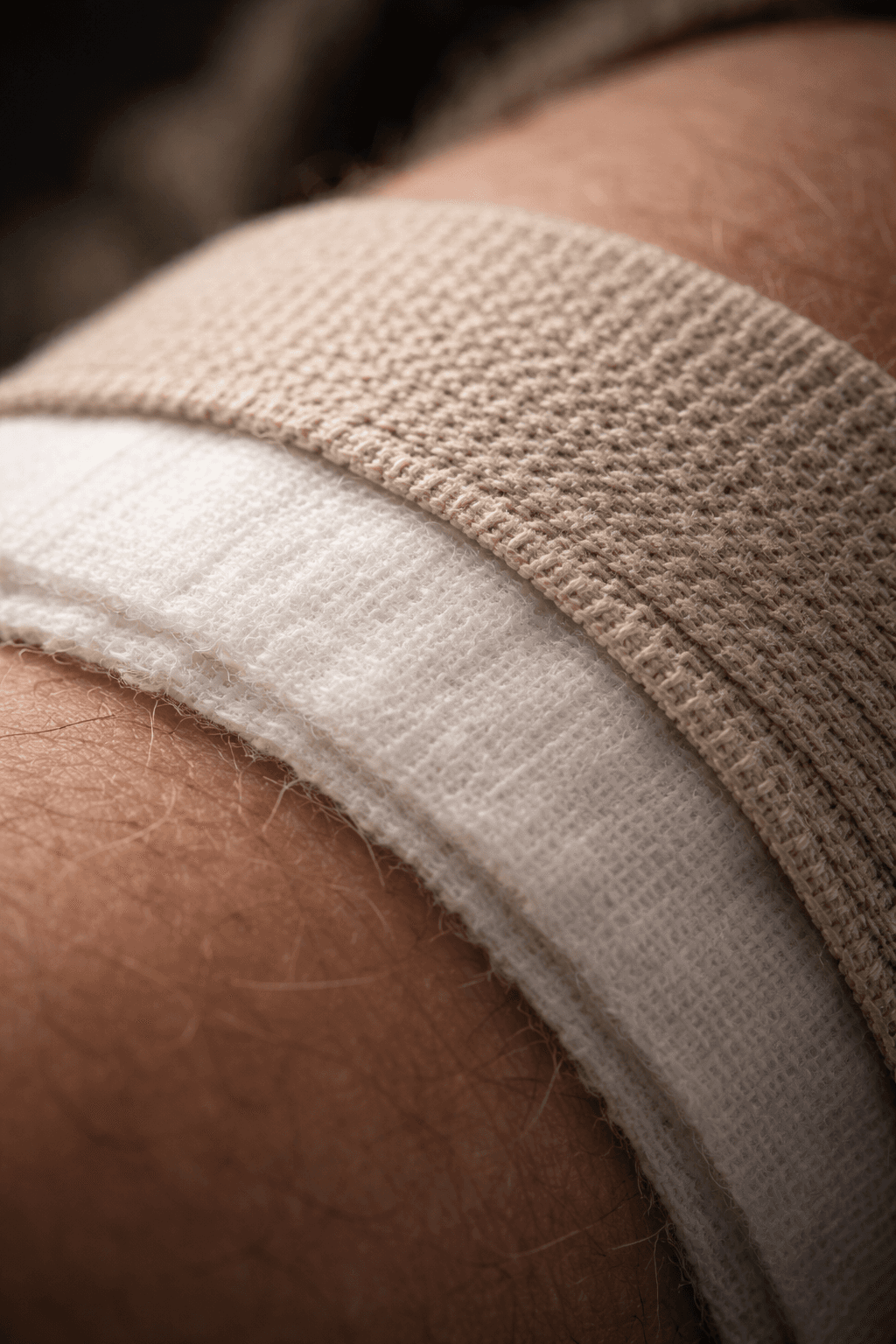
The wound interface becomes the governing boundary, managing moisture, biological load, and sustained contact with living tissue.
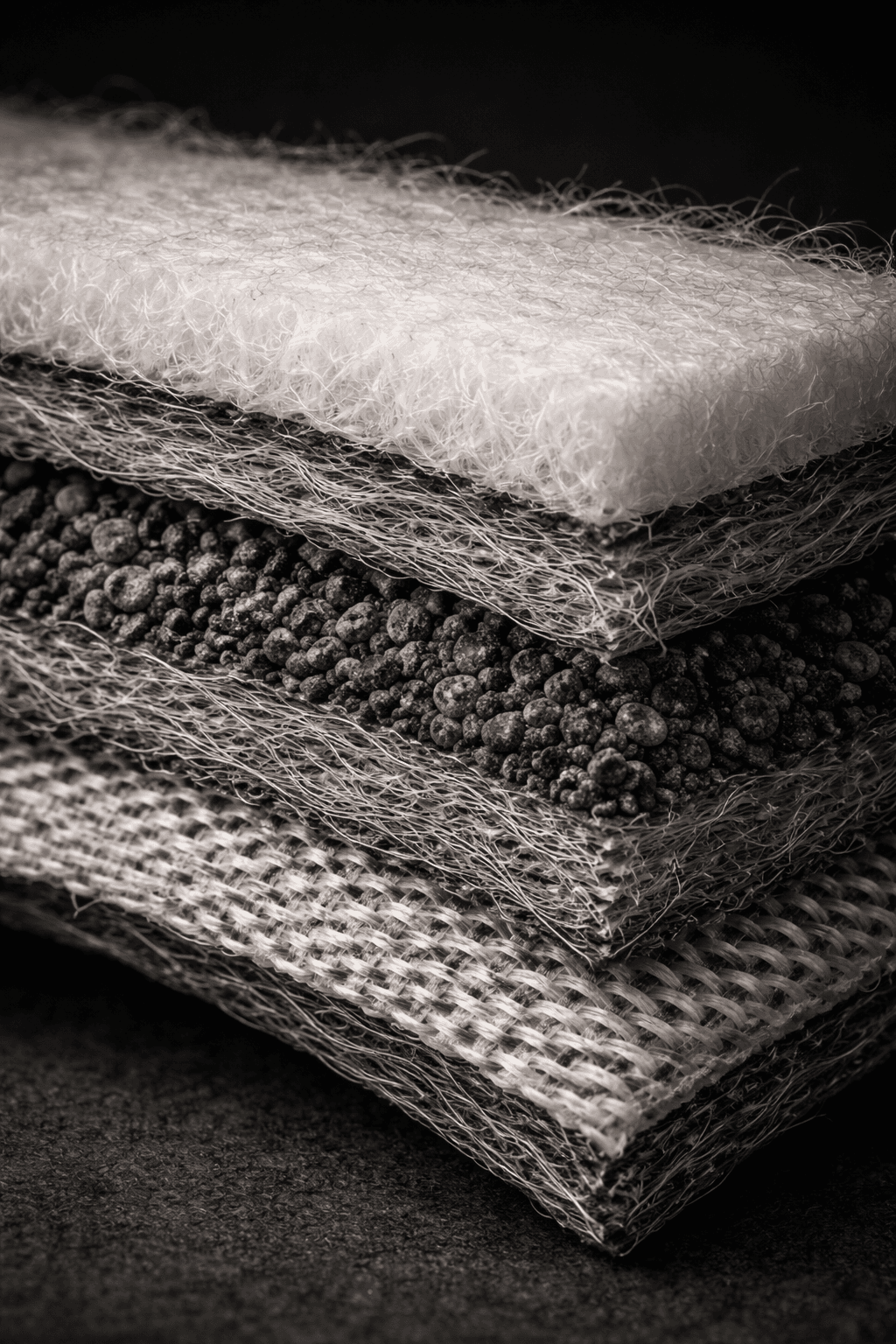
Performance resolves at the fiber structure itself, where consistency, control, and material behavior determine real-world effectiveness.
The sequence follows maritime deployment from shipboard environment, to clinical control, to wearable protection systems where hygiene, moisture exposure, repeat contact, and sustained readiness must hold together.
Maritime deployment environments introduce confined spaces, persistent moisture, and repeated surface exposure across shipboard systems.
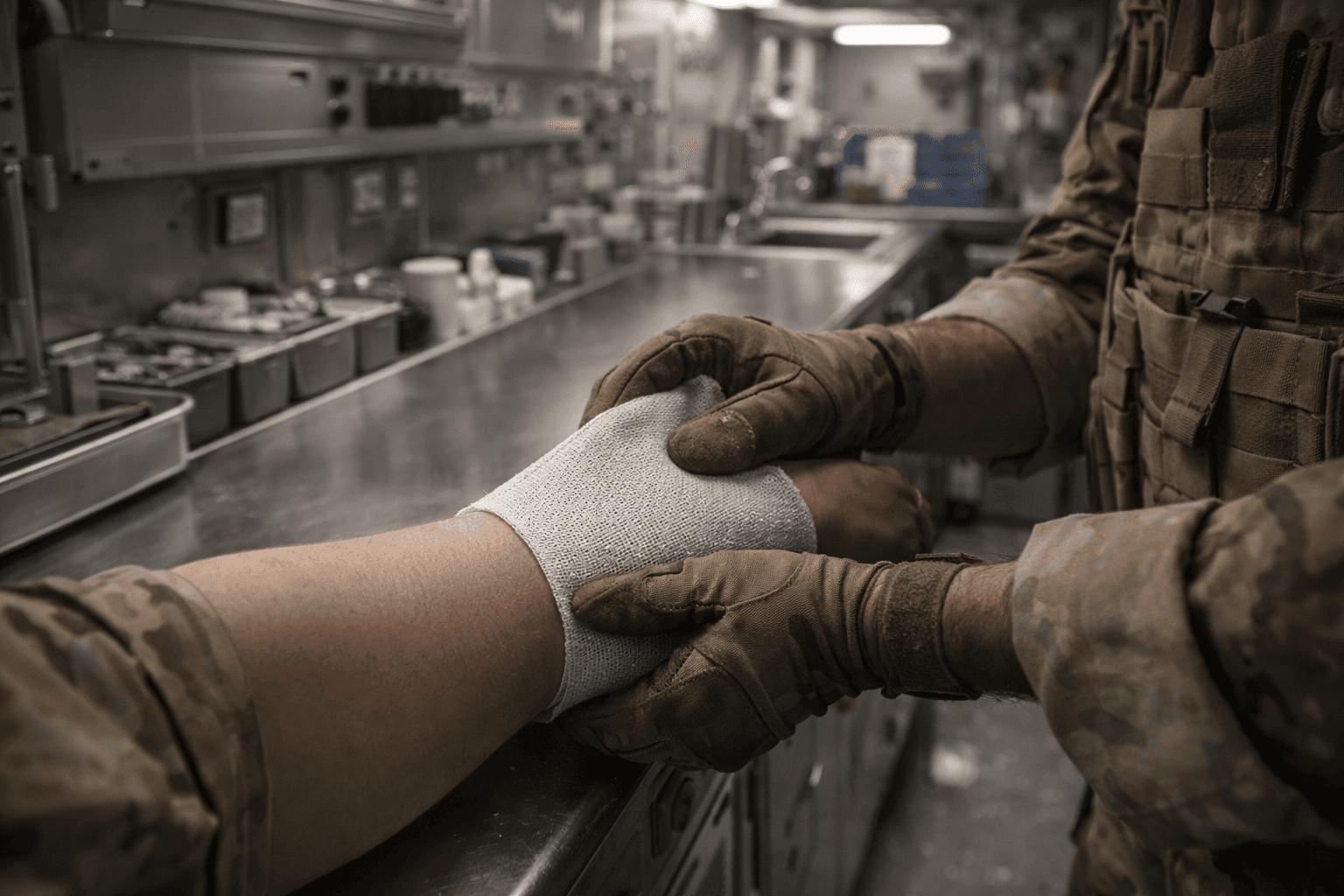
Antibacterial material performance supports cleaner intervention conditions in shipboard medical environments where contamination control is critical.

Protective textile systems extend into maritime PPE where repeat use, exposure control, and durable wear performance must persist across operations.
Capability should read as deployed, credible, and system-level, with filtration leading and adjacent platforms reinforcing the broader material architecture.
High-performance filtration materials designed for containment, reliability, and consistency in operational environments.
Material platforms capable of supporting embedded sensing, adaptive response, and next-generation wearable systems.
Engineered fibers built for durability, biological resistance, and sustained performance under real-world stress conditions.
Every system is evaluated against real deployment conditions, not just controlled or theoretical environments.
Protection resolves across respiratory, textile, wound-contact, and wear-interface zones—where material behavior determines survivability and sustained performance.
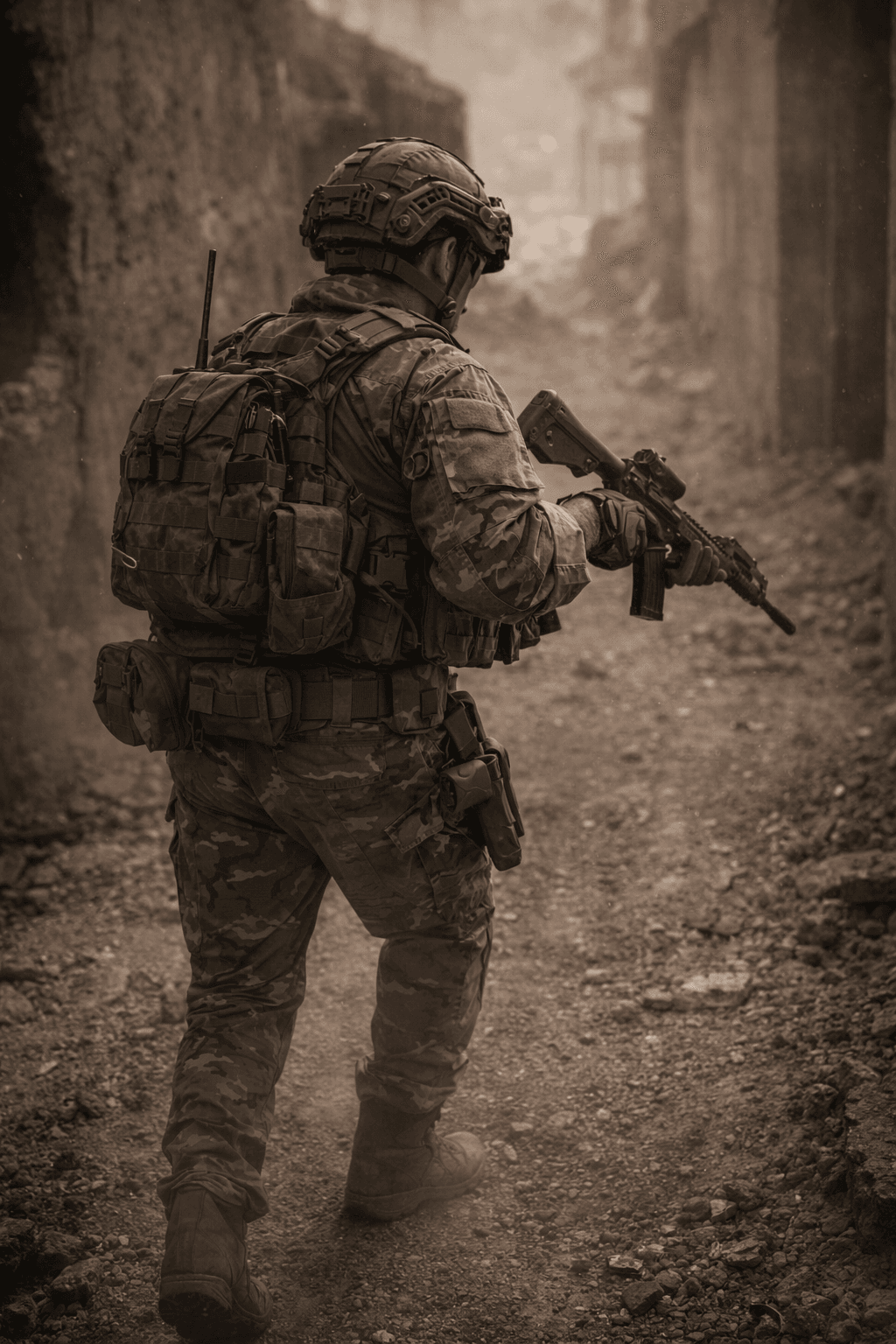
The platform should communicate material seriousness with the restraint of an engineered system, not the tone of speculative marketing.
Material performance is inseparable from deployment context.
Operational credibility begins at the boundary, not the brochure.
System claims must resolve to material behavior under stress.
Material systems are designed for environments where variability, stress, and consequence are inherent to performance.
Capability is defined not only by lab validation, but by how materials behave under real-world variability and operational constraints.
Structured to support serious procurement, defense, and strategic partnership conversations with clarity and applied credibility.
Ownership, pathway alignment, and operational positioning should read with procurement-grade clarity and briefing-level confidence.
Neurovia Applied Defense presents advanced material systems for deployment, procurement, and strategic partnership with clarity, seriousness, and operational relevance.